
音樂會 Concert
|台北場 Taipei |10.10 Sat. 19:30
2026第三屆「臺灣國際大提琴藝術節」將於國家兩廳院、臺中國家歌劇院及衛武營、雲林三秀園共演出六場系列音樂會,以別開生面的四套曲目大膽呈現東西方文化的交融與創新,從經典名作、現代精品到委託新作,從獨奏、與鋼琴二重奏、室內樂到協奏曲齊綻,讓臺灣樂迷有機會親炙國際大師名家演繹東西文化交織的數百年風華,發現大提琴奇趣多彩的音樂秘境。
東西交響《絢麗篇》II
East-West Confluence "Echoes from Afar – Encounters Between Europe and Asia" II
10.10 Sat. 19:30 國家兩廳院演奏廳 (場館位置)
在絢麗的「世界首演」中 聆聽東西交融的奇妙共鳴
本屆藝術節在臺北壓軸登場的是一場融合東西方文化的音樂盛會。多位國際頂尖大提琴家將與備受推崇的臺灣大提琴家們齊聚一堂,攜手組成一個大型的大提琴合奏團。演出內容從浪漫樂派晚期色彩豐富多樣的音樂,到深刻且饒富興味的當代作品,呈現一場別具意義的世界首演!
音樂會以備受尊崇的臺灣作曲家潘皇龍的精彩作品揭開序幕。此曲為紀念臺南建城四百週年創作的《古城新映象》,致敬臺南豐富多元的文化背景。作品靈感來自西拉雅族的儀式音樂與十七世紀荷蘭音樂,透過臺灣特有的複音音樂語彙轉化這些歷史元素,並巧妙結合當代作曲技法。作品中使用可攜式打擊樂器─如竹風鈴、鳥哨、特製音調金屬風鈴,為大提琴四重奏注入鮮明的在地色彩,串連起東與西、古與今。
TWICF也非常榮幸與獲獎作曲家李元貞攜手合作,她受藝術節之邀創作一首以「十二生肖」為主題的大提琴合奏曲,挑戰性十足。這首作品生動活潑且趣味盎然,透過各種合奏編制,為每一種生肖動物賦予鮮明的音樂性格,你能辨認出牠們是誰?東方與西方的音樂語彙將在此交織,化為一場精彩豐富的對話。
約莫在西元1900年前後,古典中國詩詞,尤其是李白的詩作,在歐洲風靡一時,甚至成為暢銷書。作曲家們自然也被這些詩句所吸引,從中勾勒出一個遙遠而浪漫、文化深厚的理想世界。除了馬勒的《大地之歌》,瑞士作曲家沃爾克馬爾.安德烈亞(Volkmar Andreae)以李白(德文拼寫為Li-Tai-Pe)為靈感所創作的男高音與管弦樂組曲,也是當時少見的珍貴之作。此作品由八首歌曲組成,如今卻罕見演出。瑞士作曲家法比安.穆勒(Fabian Müller)──也是安德烈亞孫子的好友,特別把此曲改編為大提琴八重奏,並將在本場音樂會中迎來世界首演。
如同許多歐洲藝術家,普契尼也對東方異國風情著迷不已。對多數人而言,那是一個僅存在於遊記中的神秘國度,而這些文字也成了藝術家的創作畫布。在談到西方音樂中的亞洲元素時,人們往往會想到普契尼的《蝴蝶夫人》,在音樂會下半場,將以全新改編的大提琴八重奏,演繹數首來自該歌劇最動人、最經典的詠嘆調。
這場音樂會堪稱是一場絢麗的「世界首演」盛宴,不僅精彩曲目令人期待,也是這些作品首度以全新樣貌呈現於觀眾面前。
▌演出曲目
潘皇龍(*1945):《古城新映象》大提琴四重奏(2024)
第一樂章 行板ー慢板ー中板
第二樂章 緩板ー極緩板
第三樂章 最緩板ー快板ー中板ー慢板ー行板
李元貞(*1980):《十二生肖─東西相逢》給大提琴六重奏 世界首演
-中場休息 –
馬勒(1860-1911):《大地之歌》(改編大提琴八重奏)*
〈青春〉
〈佳人〉
沃爾克馬爾.安德烈亞(1879-1962):《李太白》,作37(改編大提琴八重奏)*
〈悲歌行〉
〈靜夜思〉
〈採蓮曲〉
普契尼(1858-1924):《蝴蝶夫人》大提琴八重奏組曲 *
* 法比安.穆勒改編
*演出全長約105分鐘,含中場休息15分鐘。
▌演出音樂家
大提琴家:朱利安.拉斐爾、陳亦柏、克日什托夫.米哈爾斯基、北村陽、簡碧青、陳南呈、法蘭克.伯納德、黃盈媛、陳亮瑜/詩朗誦:李蝶菲
▌音樂會購票
10.10 Sat. 19:30 National Recital Hall (Venue Location)
The grand finale of TWICF 2026 in Taipei is a spectacular concert – a unique fusion of East and West – where international guests join esteemed Taiwanese cellists to form a large cello ensemble. The program spans from the lush, colorful music of the late Romantic era to profound and playful contemporary works, and features a truly special world premiere – a performance not to be missed!
The evening opens with a wonderful work by the highly esteemed composer Hwang-Long Pan. Commissioned for the 400th anniversary of Tainan, New Images of the Ancient City pays homage to the city's rich cultural tapestry. Drawing inspiration from the ceremonial music of the indigenous Siraya people and 17th-century Dutch music, the work transforms these historical elements through the Taiwanese musical language of heterophony, blending them seamlessly with contemporary compositional techniques. The use of portable percussion instruments—such as bamboo chimes, bird whistles, and specially tuned metal wind chimes—infuses the cello quartet with an evocative local color, bridging East and West, past and present.
The TWICF is thrilled to collaborate with award-winning composer Yuan-Chen Li, who was commissioned by the festival to take on the ambitious task of setting the Chinese zodiac to music for cello ensemble. In this vivid, playful work featuring a variety of ensemble formations, each of the twelve zodiac animals is brought to life through imaginative musical characterization. Can you recognize them? East meets West – blending into a rich and compelling musical dialogue.
Around 1900, translations of classical Chinese poetry – especially that of Li Bai – became immensely popular in Europe, even achieving bestseller status. Unsurprisingly, composers were drawn to these texts, which evoked a distant, romantically idealized world of great cultural refinement. In addition to Gustav Mahler's Das Lied von der Erde, the work Li-Tai-Pe (a German rendering of Li Bai's name) by Swiss composer Volkmar Andreae – one of the most important conductors of his time – stands out as a rare gem. His suite of eight songs for high voice and orchestra is sadly seldom performed today. Swiss composer Fabian Müller, a friend of Andreae's grandson, has now transcribed this remarkable work for cello octet. This new version also receives its world premiere in this concert.
Like many European artists, Puccini was fascinated by the allure of exoticism – that mysterious, enticing vision of the East known to most only through travel writings, which became a canvas for their imagination. When thinking of Asian influence in Western music, Puccini's Madama Butterfly inevitably comes to mind. Some of the opera's most beautiful and immortal arias will be heard in the first part of the concert – in a newly arranged version for cello octet.
This evening is a veritable fireworks display of world premieres – with captivating music that sparks curiosity and will be heard in this form for the very first time.
▌Program
Pan Hwang-Long (*1945):New Images of the Ancient City for Cello Quartet (2024)
I. Andante – Adagio – Moderato
II. Adagio – Larghissimo
III. Larghissimo – Allegro – Moderato – Adagio – Andante
Yuan-Chen Li (*1980):Twelve Zodiacs-When East Meets West for Cello Ensemble World Premiere
- Intermission -
Gustav Mahler (1860-1911):Das Lied von der Erde (transcription for cello octet)*
. Von der Jugend
. Von der Schönheit
Volkmar Andreae (1879-1962):Li-Tai-Pe, Op.37 (transcription for cello octet)*
. The Song of Sorrow
. Wanderer Awakens in the Hostel
. On the banks of Yo-Yeh
Giacomo Puccini (1858-1924):Madame Butterfly Suite for 8 Cellos *
* arrangement by Fabian Müller
Duration is 105 minutes with a 15-minute intermission.
▌Artists
Cellists: Victor Julien-Laferrière, Yibai Chen, Krzysztof Michalski, Yo Kitamura, Pi-Chin Chien, Nan-Cheng Chen, Franck Bernède, Ying-Yuan Huang, Liang-Yu Chen / Poetry Performer: Tieh-Fei Li
▌Ticket Purchase
潘皇龍:《古城新映象》大提琴四重奏(2024)
文│潘皇龍
遙想當年客居歐陸八年與返國後偶爾重返歐洲,多次造訪各地中世紀古城,走在崎嶇的石頭路上,看著不同風格的建築,以及豐饒富裕的人文景觀,總會情不自禁的發聲讚嘆。新近崛起的傑出演奏團隊「詠嘆調大提琴四重奏」應「臺南府城四百週年慶」系列活動之邀參與演出。該團請我為他們創作應景的作品,促成了《古城新映象》的誕生。本人謹以此作品獻給「詠嘆調大提琴四重奏」 。
話說臺南在地的西拉雅原住民、經歷荷蘭人1624年的入侵建城,與大量的唐山客跨越黑水溝遷徙定居,以及爾後諸多列強輪翻殖民統治,或諸侯劃地稱王;從此,多元化的建築、古蹟、宮廟、教堂、民俗節慶、人文地景、自然生態…錯綜交織成了臺灣血淚發展史。在本作品中,我選擇了西拉雅族的祭典音樂,與荷蘭人17世紀的音樂作為代表,將它們用臺灣傳統音樂語彙「支聲異音」(Heterophony)加以潤飾,當作基礎素材,再鑲嵌到當代音樂形式與創作思維中,務期古今文化水乳交融,東西音樂兼容並蓄,建構嶄新的古城新映象。

本作品除了彰顯個人藝術風格特色,也注入和大自然的鏈結、強化它與在地的互動。我給四位演奏家各兼了少許攜帶式敲擊樂器,其中金屬管風鈴是由有固定音高的「角調式五聲音階」(從下往上為d'f'g'bb'c"d" )所組成,因為它屬於大提琴中間偏高的音域,所以我在它底下建立起倒影的「宮調式五聲音階」(從上往下為 d'baf#ed),屬於中間偏低的音域;兩個結構完全相反的音階,一陰一陽,音高互補,相互調和,合起來是個跨越二個八度的「九聲音階」。其餘的敲擊樂器都是富有鄉土味的不固定音高樂器,如:竹管風鈴、竹筒鼓、引磬和鳥笛,為西方樂器編制注入更多屬於東方鄉土的底蘊與氛圍。
《古城新映象》規劃成三個樂章,演奏長度約 15 分鐘,各樂章的速度變化與語法特徵如下:
第一樂章:行板ー慢板ー中板 象徵西拉雅族的祭典音樂樸實而憨厚,而荷蘭人的音樂則以 J. P. Sweelinck(1562-1621)的宗教音樂作為代表,雖然抒情流暢卻充斥著濃烈的異國風情。再將它們經過「支聲異音」語彙加以潤飾,揭開了多元化種族間多樣性生活方式和美學觀的衝突與對話。
第二樂章:緩板ー極緩板 極高音域的星光閃爍,恍如坐臥草原大地仰望漫天浩瀚星辰,並逐漸滲入低沉的悸動,在高懸與低沉,以及急迫與緩慢的輪替和交織中,形塑「慢中緊」的對比,構築各種層層疊疊間的融合與蛻變。
第三樂章:最緩板ー快板ー中板ー慢板ー行板 在敲擊樂器音響層面前導下,牽引出以金屬管風鈴九聲音階為主題延伸出來賦格風的多重「密集接應」,「緊中慢」與「慢中緊」交相映映。經過演奏方式的更迭與重組,逐漸邁向純淨撥奏的領域。幾經回溯各族群音樂元素的形變與重疊,立體層面與音響意境間展現了既傳統又創新的科技重鎮和心靈昇華新境界,慶賀臺南古城地靈人傑、繁榮富庶與萬世昇平新映象。
Pan Hwang-Long: "New Images of an Ancient City" for Cello Quartet (2024)
As I look back on the eight years I spent living in Europe, and on the occasions when I returned there after coming back to Taiwan, I recall visiting numerous medieval cities. Walking along their rugged cobblestone streets, admiring the diverse architectural styles and the rich cultural landscapes they embody, I was always filled with wonder and admiration.
The outstanding young ensemble Aria Cello Quartet was invited to perform as part of the "Tainan 400th Anniversary" celebration series. The quartet commissioned me to compose a work specifically for the occasion, leading to the creation of New Images of an Ancient City. I dedicate this work with great respect and gratitude to the Aria Cello Quartet.
The history of Tainan begins with the indigenous Siraya people, followed by the Dutch invasion and establishment of a colonial settlement in 1624, the migration of large numbers of Han settlers from mainland China across the Taiwan Strait, and the successive rule of various colonial powers and regional regimes. Through these historical transformations, a remarkable tapestry of architecture, historical monuments, temples, churches, folk festivals, cultural landscapes, and natural ecology has emerged, together reflecting Taiwan's complex history of struggle and development.
In this composition, I chose ceremonial music of the Siraya people and seventeenth-century Dutch music as representative musical sources. These materials are transformed through the traditional Taiwanese technique of heterophony, serving as the foundation upon which contemporary compositional forms and musical thinking are built. By integrating these elements, I seek to create a seamless fusion of ancient and modern cultures, as well as Eastern and Western musical traditions, thereby constructing a new musical image of the ancient city.
Beyond expressing my own artistic voice, this work also emphasizes humanity's connection with nature and strengthens its relationship with the local environment. Each of the four cellists performs a small selection of portable percussion instruments. Among them, the metal tubular wind chimes are tuned to a fixed-pitch Jiao-mode pentatonic scale (from low to high: d′–f′–g′–B♭′–c″–d″). Since this range lies in the cello's middle-to-upper register, I created beneath it a reflected Gong-mode pentatonic scale (from high to low: d′–b–a–f♯–e–d), occupying the middle-to-lower register. These two mirror-image scales—one yin and one yang—complement one another in pitch, forming together a balanced nine-note scale spanning two octaves.
The remaining percussion instruments are unpitched folk instruments rich in local character, including bamboo wind chimes, bamboo tube drums, Buddhist hand bells (qing), and bird whistles. These instruments infuse the Western cello quartet with distinctly Eastern timbres and a strong sense of local atmosphere.
New Images of an Ancient City consists of three movements with an approximate duration of 15 minutes. The tempo changes and musical characteristics of each movement are as follows:
I. Andante – Adagio – Moderato
The first movement evokes the simple and sincere ceremonial music of the Siraya people, while Dutch music is represented by the sacred works of Jan Pieterszoon Sweelinck (1562–1621). Sweelinck's lyrical and flowing music, imbued with an unmistakably foreign character, is interwoven with Siraya musical elements through the Taiwanese heterophonic tradition. The result reveals both the dialogue and the tensions between diverse cultures, lifestyles, and aesthetic perspectives.
II. Adagio – Larghissimo
The second movement opens with shimmering tones in the cello's highest register, suggesting the twinkling of stars across an immense night sky, as though one were lying upon an open plain gazing into the cosmos. Gradually, deep resonant pulses emerge from below. Through the continual alternation and interaction of high and low registers, urgency and repose, the movement creates a contrast of "tension within stillness," constructing successive layers of fusion and transformation.
III. Larghissimo – Allegro – Moderato – Adagio – Andante
The final movement begins with percussion sonorities that introduce a fugal texture developed from the nine-note scale of the metal wind chimes. Multiple voices engage in dense contrapuntal imitation, alternating between "slowness within tension" and "tension within slowness." As performance techniques evolve and are reconfigured, the music gradually arrives at a realm of pure pizzicato. Through recurring transformations and overlapping recollections of the musical elements drawn from different cultures, the work reveals a multidimensional sonic landscape that is at once traditional and innovative. It celebrates Tainan as a city where historical heritage and modern creativity coexist, honoring its prosperity, cultural vitality, and enduring peace while presenting a renewed vision of the ancient city.
─Pan Hwang-Long

李元貞:《十二生肖─東西相逢》大提琴合奏曲 世界首演
文│李元貞
在大提琴合奏曲《十二生肖—東西相逢》中,來自不同文化與國家背景的人們,透過音樂彼此相遇。全曲由十二個段落串連而成;來自不同地域、與動物相關的民間旋律,組成一系列彼此相扣的舞曲、詠唱調與眾聲齊鳴的織體,並以二重奏、三重奏、四重奏、五重奏與六重奏等不同組合呈現。這些音樂線條彼此交會、交換特質,逐漸交織相融。如同生肖本身,這些音樂形象既暗示了可辨識的類型,也呈現出種種人際相容性的關係模式。然而,每一次相遇也揭示了無法被歸類之處——正是那些出乎意料的特質,使每一個人都超越了所謂「典型」的界線。當熟悉與差異彼此交融,來自世界各地的演奏者與聽眾,也受邀重新認識彼此,並想像陌生人之間的一次相逢,如何逐漸長成一段友誼。十二個段落依循生肖的傳統次序展開:鼠、牛、虎、兔、龍、蛇、馬、羊、猴、雞、狗、豬。
Yuan-Chen Li:Twelve Zodiacs-When East Meets West for Cello Ensemble World Premiere
In Twelve Zodiacs—When East Meets West for Cello Ensemble, people of different cultural and national origins encounter one another through music. Across twelve passages, folk melodies associated with animals from different regions form a playful chain of dances, arias, and ensemble refrains for duos, trios, quartets, quintets, and sextets. These musical threads cross paths, exchange characteristics, and gradually become intertwined. Like the zodiac signs themselves, these musical figures suggest recognizable types and patterns of interpersonal compatibility. Yet each encounter also reveals what resists classification—the unexpected qualities through which individuals exceed what is considered typical. As familiarity mingles with difference, musicians and audiences from around the world are invited to discover one another anew—and to imagine how an encounter among strangers might grow into friendship. The twelve passages follow the zodiac's traditional sequence: Rat, Ox, Tiger, Rabbit, Dragon, Snake, Horse, Goat, Monkey, Rooster, Dog, and Pig.
─ Yuan-Chen Li
馬勒:〈青春〉與〈佳人〉選自《大地之歌》(法比安.穆勒改編大提琴八重奏)
馬勒於1908至1909年間創作《大地之歌》,那正是他人生中最艱難的時期之一。長女夭折、被診斷出嚴重的心臟疾病,加上辭去維也納宮廷歌劇院院長一職,讓馬勒轉向一種全新的音樂表達。在漢斯・貝特格(Hans Bethge)的《中國笛》(Die chinesische Flöte)中──這是一本以中國古典詩歌為素材、自由改寫而成的詩集──馬勒讀到了與自己當時心境相近的詩作,詩中對生命無常、美,以及人與自然關係的思索,也正與他當時所面對人生相互呼應。

本次選出的兩個樂章〈青春〉與〈佳人〉,皆取材自唐代大詩人李白(701–762)的詩作。馬勒當時所讀到的,是貝特格以德文重新改寫的版本,而非李白詩作的原文。後來,原始文本被考證為〈宴陶家亭子〉(Yàn Táojiā Tíngzi)與〈採蓮曲〉(Cǎi Lián Qǔ)。〈青春〉呈現出明朗、優雅而恆久的氣息,〈佳人〉則將細膩的田園抒情與鮮明的活力交織在一起,流露出濃烈而真摯的情感。
瑞士作曲家法比安.穆勒(1964–)將這兩首管弦樂歌曲改編為大提琴八重奏。此次改編保留馬勒複音寫作的豐富層次與管弦樂織體的表現力,並將其轉化為八把大提琴獨有的音響色彩。
Gustav Mahler:Of Youth and Of Beauty from Das Lied von der Erde (Transcribed for Cello Octet by Fabian Müller)
Gustav Mahler composed Das Lied von der Erde (The Song of the Earth) in 1908–09, during one of the most difficult periods of his life. Following the death of his eldest daughter, the diagnosis of a serious heart condition, and his resignation as Director of the Vienna Court Opera, Mahler turned to a new kind of musical expression. In Hans Bethge's Die chinesische Flöte (The Chinese Flute)—a collection of free adaptations of classical Chinese poetry—he found texts that profoundly resonated with his reflections on transience, beauty, and humanity's relationship with nature.
The two movements presented here, Of Youth and Of Beauty, are based on poems by the great Tang dynasty poet Li Bai (Li Bo, 701–762). Although Mahler knew them only through Bethge's imaginative German adaptations, the original sources have since been identified as Banquet at Tao's Pavilion (Yàn Táojiā Tíngzi) and Lotus-Gathering Song (Cǎi Lián Qǔ). Of Youth evokes an atmosphere of balance, elegance, and timeless serenity, while Of Beauty combines delicate pastoral lyricism with vivid energy and passionate emotional expression.
Swiss composer Fabian Müller (b. 1964) has arranged these two orchestral songs for cello octet. His transcription preserves the richness of Mahler's polyphonic writing and expressive orchestral textures, translating them into the distinctive sonority of eight cellos.
沃爾克馬爾.安德烈亞:〈悲歌行〉、〈靜夜思〉及〈採蓮曲〉,選自《李太白》,作品37 (法比安.穆勒改編大提琴八重奏)
瑞士作曲家暨指揮家沃爾克馬爾.安德烈亞(Volkmar Andreae)於1931年創作《李太白》,作品37。這部作品原為男高音與管弦樂團所作的八首中國歌曲組曲,反映出20世紀初中國古典詩歌在歐洲藝術與音樂創作中所受到的廣泛關注。安德烈亞曾任蘇黎世音樂廳管弦樂團首席指揮及蘇黎世音樂院院長逾四十年,是20世紀上半葉蘇黎世樂壇的重要人物之一。
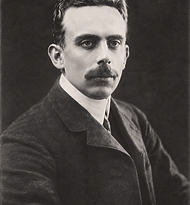
曲名中的 「Li Tai-Pe」,是李白(701–762)這位唐代大詩人在歐洲歷史上曾使用的名字之一。他的詩作反覆描寫自然、酒、友情、孤獨,以及人生無常等意象,啟發了許多西方作曲家。安德烈亞的這部作品與馬勒《大地之歌》有著相近的文化背景,同樣受到20世紀初歐洲中國詩歌風潮的影響,但在音樂語言上,則展現出安德烈亞清澈而抒情的個人風格。
瑞士作曲家 法比安.穆勒與指揮 Marc Andreae 長年交好,Marc Andreae 是沃爾克馬爾.安德烈亞的孫子。穆勒將這部作品改編為大提琴八重奏,讓安德烈亞晚期浪漫樂派音樂語言的豐富層次,在八把大提琴溫暖的音色中重新展現。
Volkmar Andreae:The Song of Sorrow - Wanderer Awakes in the Hostel - On the Banks of the Yo-Yeh from Li-Tai-Pe, Op. 37 (Transcribed for Cello Octet by Fabian Müller)
The Swiss composer and conductor Volkmar Andreae wrote Li-Tai-Pe, Op. 37, in 1931. Originally conceived as a cycle of eight Chinese songs for tenor and orchestra, the work reflects the strong fascination with classical Chinese poetry that shaped European art and music during the early twentieth century. Andreae, who served for more than four decades as Chief Conductor of the Tonhalle Orchestra Zurich and Director of the Zurich Conservatory, was one of the central figures in the city's musical life during the first half of the twentieth century.
The title refers to Li Tai-Pe, one of the historical names used in Europe for the great Tang dynasty poet Li Bai (Li Bo, 701–762). His poetry, with its recurring images of nature, wine, friendship, solitude and the transience of human life, inspired numerous Western composers. Andreae's cycle belongs to the same broader cultural tradition as Mahler's Das Lied von der Erde, while speaking in Andreae's own transparent and lyrical musical language.
Swiss composer Fabian Müller, a long-standing friend of the conductor Marc Andreae, Volkmar Andreae's grandson, has arranged the work for cello octet, bringing the richness of Andreae's late-Romantic musical language into the warm sonority of eight cellos.

普契尼:《蝴蝶夫人》大提琴八重奏組曲 (法比安.穆勒改編)
1904年首演的《蝴蝶夫人》,是義大利歌劇的代表作之一。故事以長崎為背景,描述年輕藝伎「蝴蝶夫人」秋秋桑全心投入愛情、忠貞不渝,最終卻遭到背叛的悲劇。普契尼以高亢優美的旋律與強烈的戲劇張力交織成曲,使作品既具有直接而深刻的情感力量,也展現精緻的管弦樂技法,歷經百餘年仍持續登上世界各地的歌劇舞台。
劇中最令人難忘的音樂,包括著名詠唱調〈美好的一天〉,以及多段鮮明的管弦樂與聲樂主題,描繪出溫柔、希望與心碎交織的不同情感世界。以日本為故事背景的《蝴蝶夫人》,也反映了20世紀初前後歐洲藝術家對東亞文化的濃厚興趣。普契尼在延續義大利歌劇傳統的同時,也融入日本旋律與地方音樂色彩,發展出獨特的音樂語言。作曲家法比安.穆勒以這些經典旋律為素材,將歌劇中幾段深受喜愛的樂段重新編為大提琴組曲。
穆勒的改編保留了普契尼旋律中優雅、細膩的情感表現,同時突顯大提琴優美流暢的旋律線條,以及八把大提琴交織出的豐富音色。
Giacomo Puccini:Madama Butterfly Suite for Cello Octet (Transcribed by Fabian Müller)
First performed in 1904, Giacomo Puccini's Madama Butterfly is one of the defining works of the Italian operatic repertoire. Set in Nagasaki, the opera tells the tragic story of the young geisha Cio-Cio-San, whose unwavering love and loyalty are ultimately met with betrayal. Combining soaring lyricism with remarkable dramatic intensity, Puccini created a score whose emotional immediacy and orchestral refinement have secured its enduring place on opera stages around the world.
Among its most memorable moments are the celebrated aria Un bel dì, vedremo and a number of orchestral and vocal themes that vividly portray the opera's contrasting worlds of tenderness, hope and heartbreak. Set in Japan, Madama Butterfly also reflects the fascination with East Asian culture that inspired many European artists around the turn of the twentieth century. While remaining firmly rooted in the Italian operatic tradition, Puccini incorporated Japanese melodic material and local musical colour into a highly individual musical language. Drawing on these iconic melodies, composer Fabian Müller has fashioned a suite for cello octet that brings together some of the opera's best-loved musical moments.
His arrangement preserves Puccini's lyrical elegance and expressive richness while revealing the cantabile qualities of the instrument and the remarkable colouristic possibilities of the cello ensemble.