
音樂會 Concert
|台中場 Taichung |10.09 Fri. 19:30
2026第三屆「臺灣國際大提琴藝術節」將於國家兩廳院、臺中國家歌劇院及衛武營、雲林三秀園共演出六場系列音樂會,以別開生面的四套曲目大膽呈現東西方文化的交融與創新,從經典名作、現代精品到委託新作,從獨奏、與鋼琴二重奏、室內樂到協奏曲齊綻,讓臺灣樂迷有機會親炙國際大師名家演繹東西文化交織的數百年風華,發現大提琴奇趣多彩的音樂秘境。
東西交響《寶藏篇》
East-West Confluence"Floating Worlds – Music Between East and West"
10.09 Fri. 19:30 臺中國家歌劇院中劇院 (場館位置)
以目不暇給的名作精品 呈現東西文化交融的大提琴瑰寶
為了回應廣大樂迷的期待,本屆藝術節特別精選臺北兩場音樂會菁華,在臺中、高雄各演出一場精彩絕倫的「東西交響《寶藏篇》」
本場音樂會猶如大提琴名作精品大賞,在上半場音樂會,備受推崇的中國大提琴家陳亦柏、波蘭大提琴新星克日什托夫.米哈爾斯基與法國當代重要大提琴家朱利安.拉斐爾,將分別與臺灣鋼琴家盧易之合作,演出譚盾流轉東方文化意蘊的《臥虎藏龍》大提琴奏鳴曲、普朗克為傳奇大提琴家皮耶・傅尼葉而作的《大提琴奏鳴曲》,以及布列頓巧妙融合甘美朗音樂的《C大調大提琴奏鳴曲》,而日本新生代大提琴家北村陽則帶來藤倉大構築出炫麗聲響空間的,經常被搬上舞台的大提琴獨奏曲《無人之無》。
下半場,四位國際音樂家將與臺灣大提琴名家簡碧青、陳南呈、黃盈媛、旅臺法國大提琴家法蘭克.伯納德及旅瑞傑出臺灣新秀陳亮瑜合作,演出李元貞以十二生肖為主題,為藝術節創作的大提琴合奏曲、重現受李白詩作激發靈感的馬勒《大地之歌》及沃爾克馬爾.安德烈亞《李太白》之選曲,並以大提琴八重奏重新演繹普契尼《蝴蝶夫人》數首經典詠嘆調。從大提琴的傳世經典、當代精品與魅力新作,引領觀眾一覽數百年來,在東西文化交融下,淬鍊出的大提琴瑰寶。
▌演出曲目
譚盾(*1957):《臥虎藏龍》大提琴奏鳴曲
-第三樂章 〈永恆誓言〉
-第四樂章 〈南行〉
普朗克(1899-1963):大提琴奏鳴曲(樂章選奏)
藤倉大(*1977):《無人之無》(樂章選奏)
布列頓(1913-1976):C大調大提琴奏鳴曲,作品65(樂章選奏)
-中場休息 –
李元貞(*1980):《十二生肖─東西相逢》給大提琴六重奏(選曲)
沃爾克馬爾.安德烈亞(1879-1962):〈悲歌行〉選自《李太白》,作品37(改編大提琴八重奏)*
馬勒(1860-1911):〈青春〉選自《大地之歌》(改編大提琴八重奏)*
普契尼(1858-1924):《蝴蝶夫人》大提琴八重奏組曲 *
* 法比安.穆勒改編 |世界首演
▅ 演出全長約115分鐘,含中場休息15分鐘。
▌演出音樂家 Artists
大提琴家:朱利安.拉斐爾、陳亦柏、克日什托夫.米哈爾斯基、北村陽、簡碧青、陳南呈、法蘭克.伯納德、黃盈媛、陳亮瑜/鋼琴家:盧易之
▌音樂會購票
10.09 Fri. 19:30 Playhouse, National Taichung Theater (Venue Location)
A dazzling showcase of masterpieces presenting the treasures of East–West Cultural Confluence through the cello
In response to overwhelming audience demand, this year's festival has specially curated highlights from two Taipei concerts to create an extraordinary program, "Floating Worlds – Music Between East end West," with one performance each in Taichung and Kaohsiung.
This concert is like a grand exhibition of cello masterworks. In the first half, acclaimed Chinese cellist Yibai Chen, rising Polish cello star Krzysztof Michalski, and leading contemporary French cellist Victor Julien-Laferrière will each collaborate with Taiwanese pianist Lu Yi-Chih. Together they will perform two movements of the Crouching Tiger, Hidden Dragon Cello Sonata by Tan Dun, rich with flowing Eastern cultural imagery, and movements from the Cello Sonata by Francis Poulenc, written for legendary cellist Pierre Fournier, and the Cello Sonata in C Major by Benjamin Britten, ingeniously blending elements of gamelan music. Emerging Japanese cellist Yo Kitamura will perform Nobody's Nothings, a frequently staged solo cello work by Dai Fujikura that constructs a brilliantly immersive sonic landscape.
In the second half, the four international musicians will join Taiwanese cello masters Pi-Chin Chien, Nan-Cheng Chen, Ying-Yuan Huang, France-born Taiwan-based cellist Franck Bernède, and outstanding Taiwan-born young cellist studying in Switzerland Liang-Yu Chen.
Together they will perform: A cello ensemble work themed around the Chinese zodiac, specially composed for the festival by Yuan-Chen Li, two movements from «Das Lied von der Erde» by Gustav Mahler, inspired by the poetry of Li Bai, a transcription from «Li-Tai Pe» by Volkmar Andreae and several classic arias from Madama Butterfly by Giacomo Puccini, reimagined in a suite for cello octet.
From timeless cello classics and contemporary masterworks to captivating new compositions, this program guides audiences through centuries of artistic refinement born from the meeting of Eastern and Western cultures, revealing the cello's most precious treasures.
▌ Program
Tan Dun (*1957): Crouching Tiger Hidden Dragon Sonata for Cello and Piano
III. Eternal Vow
IV. To the South
Francis Poulenc (1899-1963): Cello Sonata (one movement)
Dai Fujikura (*1977): Excerpts from Nobody's Nothings for cello solo
Benjamin Britten (1913-1976): Excerpts from Cello Sonata in C major, Op.65
- Intermission -
Yuan-Chen Li (*1980): Excerpts from Twelve Zodiacs-When East Meets West for Cello Ensemble
Volkmar Andreae (1879-1962): The Song of Sorrow from Li-Tai Pe, Op.37 (transcription for cello octet)*
Gustav Mahler (1860-1911): Von der Jugend from Das Lied von der Erde (transcription for cello octet)*
Giacomo Puccini (1858-1924): Madame Butterfly Suite for 8 Cellos*
* arrangement by Fabian Müller│World premiere
Duration is 115 minutes with a 15-minute intermission.
▌ Artists
Cellists: Victor Julien-Laferrière, Yibai Chen, Krzysztof Michalski, Yo Kitamura, Pi-Chin Chien, Nan-Cheng Chen, Franck Bernède, Ying-Yuan Huang, Liang-Yu Chen / Pianist: Yi-Chih Lu
▌ Ticket Purchase

譚盾:《臥虎藏龍》大提琴奏鳴曲
譚盾出生於中國湖南,他的音樂融合中國傳統與西方古典音樂的創作手法與形式,形成獨具特色的音樂語言。他的作品經常結合儀式性、戲劇性的動作與獨特音響,同時保有鮮明的旋律與戲劇敘事感。東西方音樂元素的交融,也使他成為同世代作曲家中最受國際樂壇矚目的一位。
《臥虎藏龍》大提琴奏鳴曲取材自譚盾為李安電影《臥虎藏龍》(2000)所創作的著名電影配樂,其中重要的大提琴部分最初由馬友友演奏。2018年,譚盾將電影配樂中的音樂重新整理,改編為一首四樂章的大提琴與鋼琴奏鳴曲,分別為〈臥虎藏龍〉、〈絲路奇遇〉、〈永恆的誓言〉與〈南行〉。
全曲中,大提琴始終扮演著極具歌唱性與戲劇張力的角色。寬廣抒情的旋律與充滿動能的節奏交替出現,並穿插打擊樂般的演奏效果與高度炫技的段落。音樂既展現電影武俠世界中含蓄內斂的美感,也捕捉其中快速流動的動態感;鋼琴則提供豐富多變的聲響背景,從營造氛圍的共鳴,到強而有力的節奏推進,與大提琴共同建構作品的音樂空間。
這首奏鳴曲展現譚盾一貫的東西交融手法。中國音樂的表現特色,包括自由伸縮的旋律線條、裝飾性的音型,以及對傳統樂器音色的模擬,與西方奏鳴曲傳統及現代大提琴豐富的表現可能彼此交織。最終形成一部具有鮮明電影感的作品,讓親密、儀式、動態與記憶彼此緊密相連。
Tan Dun:Crouching Tiger Sonata for Cello and Piano
Born in Hunan, China, Tan Dun has developed a distinctive musical language in which Chinese traditions encounter the techniques and forms of Western concert music. His works frequently combine ritual, theatrical gesture and unusual sonorities with a strong sense of melody and dramatic narrative. This synthesis of Eastern and Western influences has made him one of the most internationally recognised composers of his generation.
The Crouching Tiger Sonata is drawn from Tan Dun's celebrated score for Ang Lee's film Crouching Tiger, Hidden Dragon (2000), whose prominent cello part was originally performed by Yo-Yo Ma. In 2018, the composer reshaped music from the soundtrack into a four-movement sonata for cello and piano: Crouching Tiger, Hidden Dragon, Silk Road: Encounters, Eternal Vow and To the South.
Throughout the work, the cello assumes an intensely vocal and dramatic role. Expansive lyrical melodies alternate with energetic rhythms, percussive effects and passages of great virtuosity. The music evokes both the restrained elegance and the dynamic movement of the film's martial-arts world, while the piano provides a richly varied background ranging from atmospheric resonance to forceful rhythmic propulsion.
The sonata embodies Tan Dun's characteristic East–West confluence. Elements associated with Chinese musical expression—including flexible melodic lines, ornamental gestures and the evocation of traditional instruments—are brought into dialogue with the Western sonata tradition and the expressive possibilities of the modern cello. The result is a work of cinematic intensity in which intimacy, ritual, movement and memory are closely intertwined.
普朗克:大提琴奏鳴曲,FP 143
普朗克的《大提琴奏鳴曲》創作於1948年,題獻給大提琴家傅立葉(Pierre Fournier),是他最重要的室內樂作品之一。作品將抒情與沉思的氣質,與機智、優雅及富有戲劇張力融為一體,充分展現普朗克鮮明的音樂風格,在深刻的情感表達之外,也呈現出清晰、簡潔而精緻的特質。
這首奏鳴曲承襲法國室內樂傳統,但普朗克的音樂想像也受到非歐洲文化的啟發。1931年巴黎殖民博覽會期間,他聽到峇里島甘美朗音樂,對他的創作產生長久的影響,尤其可見於《雙鋼琴協奏曲》。和許多同世代的法國作曲家一樣,東西方之間日益頻繁的藝術交流,也成為普朗克創作靈感的一部分。

四個樂章各具不同的情緒與音樂特質,彼此形成鮮明對比;親密而抒情的段落,與充滿活力的節奏及強烈的情感表現彼此交織,形成豐富而連貫的音樂敘事。這首作品在創作過程中與傅立葉密切合作完成,至今仍是二十世紀大提琴與鋼琴作品中的經典之作。演奏這首作品不僅需要高超的技巧,也需要演奏者對音樂有深入的理解。
Francis Poulenc:Sonata for Cello and Piano, FP 143
Composed in 1948 and dedicated to the memory of Pierre Fournier, Francis Poulenc's Sonata for Cello and Piano is one of the composer's most substantial chamber works. Combining lyrical introspection with wit, elegance and moments of dramatic intensity, the sonata reflects Poulenc's unmistakable musical voice—at once deeply expressive and marked by clarity, economy and refinement.
Although the Sonata itself remains firmly rooted in the French chamber music tradition, Poulenc's musical imagination had also been shaped by encounters with non-European cultures. His experience of hearing a Balinese gamelan at the 1931 Paris Colonial Exposition left a lasting impression, most clearly reflected in his Concerto for Two Pianos. Like many French composers of his generation, Poulenc belonged to a musical world in which artistic exchanges between East and West had become an important source of inspiration.
The four-movement sonata unfolds as a richly contrasted musical narrative, balancing moments of intimate lyricism with rhythmic vitality and expressive intensity. Written in close collaboration with Pierre Fournier, it remains one of the twentieth century's finest works for cello and piano, demanding both virtuosity and profound musical insight from its performers.
藤倉大:《無人之無》
藤倉大出生於大阪,自15歲起定居英國,是當代音樂的重要作曲家之一。他的作品跨越文化的界線,將日本美學對音色的細膩感受,與歐洲前衛音樂的結構思維融為一體。他不是將東西方音樂傳統簡單地拼接在一起,而是從中發展出獨特的音樂語言,讓聲音本身成為最主要的表達方式。
「曾經備受讚譽、深受喜愛,最終卻消逝。作為藝術家,他們在 1920 年代登上世界各地的舞台,在柏林的孟德爾頌宮舉辦盛大的派對,也曾與當時的名人交往,對象有男有女。如今,幾乎已經沒有人知道艾蕾諾拉與弗朗切斯科・馮・孟德爾頌。」──德國藝術團體 tauchgold 如此評論,而這正是廣播劇《無人之無一孟德爾頌兄妹:弗朗切斯科與艾蕾諾拉》劇名的由來。

《無人之無》創作於2024年,原為廣播劇《無人之無—孟德爾頌兄妹:弗朗切斯科與艾蕾諾拉》的配樂。作品最初為大提琴與演員而作,後來也成為可獨立演出的單人大提琴作品;各樂章既可分開演奏,也不限定演出順序。作品透過不斷變化的音色與聲響,探索大提琴豐富的表現可能,讓演奏者能夠將每一段音樂塑造成各具特色的音樂敘事。
整部作品中,大提琴彷彿一位獨自說故事的人,在抒情沉思、細語般的聲響與充滿戲劇張力的段落之間自然轉換。豐富多變的音色、流暢的聲響變化,以及對「沉默」的細膩處理,都是藤倉大音樂創作的重要特色。在《無人之無》中,大提琴化為承載記憶與想像的聲音,帶領聽者走進一段私密而獨特的音樂旅程,也呈現出作曲家詩意而獨具個性的聲音美學。
Dai Fujikura:Nobody's Nothings for Solo Cello (2024)
Born in Osaka and based in the United Kingdom since the age of fifteen, Dai Fujikura is one of the leading voices in contemporary music. His works transcend cultural boundaries, combining the refined timbral sensitivity of Japanese aesthetics with the structural imagination of the European avant-garde. Rather than juxtaposing Eastern and Western traditions, Fujikura creates an individual musical language in which sound itself becomes the primary means of expression.
"Celebrated, loved, gone. As artists, they conquered the stages of the world in the 1920s, celebrated wild parties at the Palais Mendelssohn in Berlin-Grunewald and had affairs with the icons of the time - of all genders. Today, hardly anyone knows Eleonora and Francesco von Mendelssohn" (by tauchgold)
Nobody's Nothings was composed in 2024 as the musical score for the radio drama Nobody's Nothings – Die Geschwister Francesco und Eleonora von Mendelssohn. Conceived for cello and actors, the music also exists as an independent concert work for solo cello, with its individual movements performable separately or in any order. The score explores the expressive possibilities of the instrument through an ever-changing landscape of colour, gesture and resonance, inviting the performer to shape each episode as a distinct musical narrative.
Throughout the work, the cello becomes a solitary storyteller, shifting seamlessly between lyrical introspection, fragile whispers and moments of dramatic intensity. Richly varied timbres, fluid transitions and a heightened awareness of silence are hallmarks of Fujikura's compositional style. In Nobody's Nothings, the instrument is transformed into a voice of memory and imagination, creating a deeply personal musical journey that reflects the composer's uniquely poetic approach to sound.

布列頓:C大調大提琴奏鳴曲,作品65
1961年,布列頓為俄國大提琴家羅斯托波維奇寫下《C大調大提琴奏鳴曲》。羅斯托波維奇的藝術才華啟發了布列頓創作一系列重要作品,也為20世紀大提琴曲目的發展帶來深遠影響。作品由羅斯托波維奇與布列頓共同首演,布列頓親自擔任鋼琴演奏;作品兼具精湛的技巧與豐富的情感表現,兩位音樂家之間的密切合作也貫穿其中。1956年,布列頓與男高音Peter Pears前往亞洲旅行,沿途接觸到的音樂也豐富了他的創作語言。他對峇里島甘美朗與日本傳統音樂留下深刻印象,並將這些經驗融入後來的多部作品,其中最著名的例子是芭蕾舞劇《寶塔王子》(1957)。
全曲由五個風格各異的樂章組成,展現布列頓一貫清晰的曲式架構、充滿活力的節奏,以及大提琴與鋼琴之間豐富多變的互動。第二樂章〈詼諧曲與撥弦〉尤其引人注目,幾乎全曲都以撥奏演奏,使大提琴呈現出豐富的打擊樂器般音響。明亮而輕盈的聲響,加上交錯的節奏,讓人聯想到峇里島甘美朗的音樂。布列頓並未直接引用甘美朗音樂,而是將當時深深觸動他的音色與節奏活力重新轉化,融入自己的音樂之中。
最後一個樂章〈無窮動〉充滿力量,不僅將全曲推向高潮,也將作品中的機智、炫技與強烈情感發揮得淋漓盡致。如今,這首奏鳴曲已成為二十世紀室內樂的重要作品之一。這首作品也充分展現布列頓的音樂特色:結構嚴謹、手法精確,同時又有直接而深刻的情感表達。
Benjamin Britten:Sonata for Cello and Piano in C major, Op. 65
Benjamin Britten composed his Sonata for Cello and Piano in 1961 for the legendary Russian cellist Mstislav Rostropovich, whose artistry inspired a remarkable series of works that transformed the twentieth-century cello repertoire. Premiered by Rostropovich and Britten himself at the piano, the sonata combines technical brilliance with extraordinary expressive range, reflecting the close artistic partnership between the two musicians. Britten's musical language was enriched by his travels through Asia with the tenor Peter Pears in 1956. Deeply impressed by the sounds of Balinese gamelan and Japanese traditional music, he absorbed these experiences into several later works, most notably the ballet The Prince of the Pagodas (1957).
Cast in five contrasting movements, the sonata displays Britten's characteristic clarity of form, rhythmic vitality and inventive dialogue between cello and piano. The second movement, Scherzo-Pizzicato, is particularly striking: written almost entirely in pizzicato, it transforms the cello into a richly percussive instrument. Its shimmering textures and interlocking rhythmic patterns evoke the sonorous world of the Balinese gamelan—not through direct quotation, but through Britten's imaginative re-interpretation of the colours and rhythmic vitality that had so profoundly inspired him.
The sonata culminates in a powerful Moto perpetuo, bringing together the work's wit, virtuosity and emotional intensity. Today it stands as one of the landmark chamber works of the twentieth century, illustrating Britten's unique ability to unite intellectual precision with deeply communicative expression.
李元貞:《十二生肖─東西相逢》大提琴合奏曲 世界首演
文│李元貞
在大提琴合奏曲《十二生肖—東西相逢》中,來自不同文化與國家背景的人們,透過音樂彼此相遇。全曲由十二個段落串連而成;來自不同地域、與動物相關的民間旋律,組成一系列彼此相扣的舞曲、詠唱調與眾聲齊鳴的織體,並以二重奏、三重奏、四重奏、五重奏與六重奏等不同組合呈現。這些音樂線條彼此交會、交換特質,逐漸交織相融。如同生肖本身,這些音樂形象既暗示了可辨識的類型,也呈現出種種人際相容性的關係模式。然而,每一次相遇也揭示了無法被歸類之處——正是那些出乎意料的特質,使每一個人都超越了所謂「典型」的界線。當熟悉與差異彼此交融,來自世界各地的演奏者與聽眾,也受邀重新認識彼此,並想像陌生人之間的一次相逢,如何逐漸長成一段友誼。十二個段落依循生肖的傳統次序展開:鼠、牛、虎、兔、龍、蛇、馬、羊、猴、雞、狗、豬。

Yuan-Chen Li:Twelve Zodiacs-When East Meets West for Cello Ensemble World Premiere
In Twelve Zodiacs—When East Meets West for Cello Ensemble, people of different cultural and national origins encounter one another through music. Across twelve passages, folk melodies associated with animals from different regions form a playful chain of dances, arias, and ensemble refrains for duos, trios, quartets, quintets, and sextets. These musical threads cross paths, exchange characteristics, and gradually become intertwined. Like the zodiac signs themselves, these musical figures suggest recognizable types and patterns of interpersonal compatibility. Yet each encounter also reveals what resists classification—the unexpected qualities through which individuals exceed what is considered typical. As familiarity mingles with difference, musicians and audiences from around the world are invited to discover one another anew—and to imagine how an encounter among strangers might grow into friendship. The twelve passages follow the zodiac's traditional sequence: Rat, Ox, Tiger, Rabbit, Dragon, Snake, Horse, Goat, Monkey, Rooster, Dog, and Pig.
─ Yuan-Chen Li

馬勒:〈青春〉選自《大地之歌》(法比安.穆勒改編大提琴八重奏)
馬勒於1908至1909年間創作《大地之歌》,那正是他人生中最艱難的時期之一。長女夭折、被診斷出嚴重的心臟疾病,加上辭去維也納宮廷歌劇院院長一職,讓馬勒轉向一種全新的音樂表達。在漢斯・貝特格(Hans Bethge)的《中國笛》(Die chinesische Flöte)中──這是一本以中國古典詩歌為素材、自由改寫而成的詩集──馬勒讀到了與自己當時心境相近的詩作,詩中對生命無常、美,以及人與自然關係的思索,也正與他當時所面對人生相互呼應。
本場選奏的〈青春〉樂章,取材自唐代大詩人李白(701–762)的詩作。馬勒當時所讀到的,是貝特格以德文重新改寫的版本,而非李白詩作的原文。後來,原始文本被考證為〈宴陶家亭子〉(Yàn Táojiā Tíngzi)。〈青春〉呈現出明朗、優雅而恆久的氣息。
瑞士作曲家法比安.穆勒(1964–)將這首管弦樂歌曲改編為大提琴八重奏。此次改編保留馬勒複音寫作的豐富層次與管弦樂織體的表現力,並將其轉化為八把大提琴獨有的音響色彩。
Gustav Mahler:Of Youth from Das Lied von der Erde (Transcribed for Cello Octet by Fabian Müller)
Gustav Mahler composed Das Lied von der Erde (The Song of the Earth) in 1908–09, during one of the most difficult periods of his life. Following the death of his eldest daughter, the diagnosis of a serious heart condition, and his resignation as Director of the Vienna Court Opera, Mahler turned to a new kind of musical expression. In Hans Bethge's Die chinesische Flöte (The Chinese Flute)—a collection of free adaptations of classical Chinese poetry—he found texts that profoundly resonated with his reflections on transience, beauty, and humanity's relationship with nature.
The movement presented here, Of Youth, are based on poem by the great Tang dynasty poet Li Bai (Li Bo, 701–762). Although Mahler knew it only through Bethge's imaginative German adaptations, the original sources have since been identified as Banquet at Tao's Pavilion (Yàn Táojiā Tíngzi). Of Youth evokes an atmosphere of balance, elegance, and timeless serenity.
Swiss composer Fabian Müller (b. 1964) has arranged the orchestral song for cello octet. His transcription preserves the richness of Mahler's polyphonic writing and expressive orchestral textures, translating them into the distinctive sonority of eight cellos.
沃爾克馬爾.安德烈亞:〈悲歌行〉,選自《李太白》,作品37 (法比安.穆勒改編大提琴八重奏)
瑞士作曲家暨指揮家沃爾克馬爾.安德烈亞(Volkmar Andreae)於1931年創作《李太白》,作品37。這部作品原為男高音與管弦樂團所作的八首中國歌曲組曲,反映出20世紀初中國古典詩歌在歐洲藝術與音樂創作中所受到的廣泛關注。安德烈亞曾任蘇黎世音樂廳管弦樂團首席指揮及蘇黎世音樂院院長逾四十年,是20世紀上半葉蘇黎世樂壇的重要人物之一。
曲名中的 「Li Tai-Pe」,是李白(701–762)這位唐代大詩人在歐洲歷史上曾使用的名字之一。他的詩作反覆描寫自然、酒、友情、孤獨,以及人生無常等意象,啟發了許多西方作曲家。安德烈亞的這部作品與馬勒《大地之歌》有著相近的文化背景,同樣受到20世紀初歐洲中國詩歌風潮的影響,但在音樂語言上,則展現出安德烈亞清澈而抒情的個人風格。
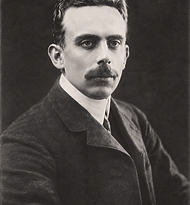
瑞士作曲家 法比安.穆勒與指揮 Marc Andreae 長年交好,Marc Andreae 是沃爾克馬爾.安德烈亞的孫子。穆勒將這部作品改編為大提琴八重奏,讓安德烈亞晚期浪漫樂派音樂語言的豐富層次,在八把大提琴溫暖的音色中重新展現。
Volkmar Andreae:The Song of Sorrow from Li-Tai-Pe, Op. 37 (Transcribed for Cello Octet by Fabian Müller)
The Swiss composer and conductor Volkmar Andreae wrote Li-Tai-Pe, Op. 37, in 1931. Originally conceived as a cycle of eight Chinese songs for tenor and orchestra, the work reflects the strong fascination with classical Chinese poetry that shaped European art and music during the early twentieth century. Andreae, who served for more than four decades as Chief Conductor of the Tonhalle Orchestra Zurich and Director of the Zurich Conservatory, was one of the central figures in the city's musical life during the first half of the twentieth century.
The title refers to Li Tai-Pe, one of the historical names used in Europe for the great Tang dynasty poet Li Bai (Li Bo, 701–762). His poetry, with its recurring images of nature, wine, friendship, solitude and the transience of human life, inspired numerous Western composers. Andreae's cycle belongs to the same broader cultural tradition as Mahler's Das Lied von der Erde, while speaking in Andreae's own transparent and lyrical musical language.
Swiss composer Fabian Müller, a long-standing friend of the conductor Marc Andreae, Volkmar Andreae's grandson, has arranged the work for cello octet, bringing the richness of Andreae's late-Romantic musical language into the warm sonority of eight cellos.

普契尼:《蝴蝶夫人》大提琴八重奏組曲 (法比安.穆勒改編)
1904年首演的《蝴蝶夫人》,是義大利歌劇的代表作之一。故事以長崎為背景,描述年輕藝伎「蝴蝶夫人」秋秋桑全心投入愛情、忠貞不渝,最終卻遭到背叛的悲劇。普契尼以高亢優美的旋律與強烈的戲劇張力交織成曲,使作品既具有直接而深刻的情感力量,也展現精緻的管弦樂技法,歷經百餘年仍持續登上世界各地的歌劇舞台。
劇中最令人難忘的音樂,包括著名詠唱調〈美好的一天〉,以及多段鮮明的管弦樂與聲樂主題,描繪出溫柔、希望與心碎交織的不同情感世界。以日本為故事背景的《蝴蝶夫人》,也反映了20世紀初前後歐洲藝術家對東亞文化的濃厚興趣。普契尼在延續義大利歌劇傳統的同時,也融入日本旋律與地方音樂色彩,發展出獨特的音樂語言。作曲家法比安.穆勒以這些經典旋律為素材,將歌劇中幾段深受喜愛的樂段重新編為大提琴組曲。
穆勒的改編保留了普契尼旋律中優雅、細膩的情感表現,同時突顯大提琴優美流暢的旋律線條,以及八把大提琴交織出的豐富音色。
Giacomo Puccini:Madama Butterfly Suite for Cello Octet (Transcribed by Fabian Müller)
First performed in 1904, Giacomo Puccini's Madama Butterfly is one of the defining works of the Italian operatic repertoire. Set in Nagasaki, the opera tells the tragic story of the young geisha Cio-Cio-San, whose unwavering love and loyalty are ultimately met with betrayal. Combining soaring lyricism with remarkable dramatic intensity, Puccini created a score whose emotional immediacy and orchestral refinement have secured its enduring place on opera stages around the world.
Among its most memorable moments are the celebrated aria Un bel dì, vedremo and a number of orchestral and vocal themes that vividly portray the opera's contrasting worlds of tenderness, hope and heartbreak. Set in Japan, Madama Butterfly also reflects the fascination with East Asian culture that inspired many European artists around the turn of the twentieth century. While remaining firmly rooted in the Italian operatic tradition, Puccini incorporated Japanese melodic material and local musical colour into a highly individual musical language. Drawing on these iconic melodies, composer Fabian Müller has fashioned a suite for cello octet that brings together some of the opera's best-loved musical moments.
His arrangement preserves Puccini's lyrical elegance and expressive richness while revealing the cantabile qualities of the instrument and the remarkable colouristic possibilities of the cello ensemble.